The boat photo checklist that actually sells the boat
Boats are miserable to shoot — shrink-wrap, trailers, packed yards, harsh dock light. This is the shot list buyers scan first, what Boat Trader, YachtWorld and boats.com actually require, and the same required-angle order that drives VehiclePhoto’s own boat capture flow.
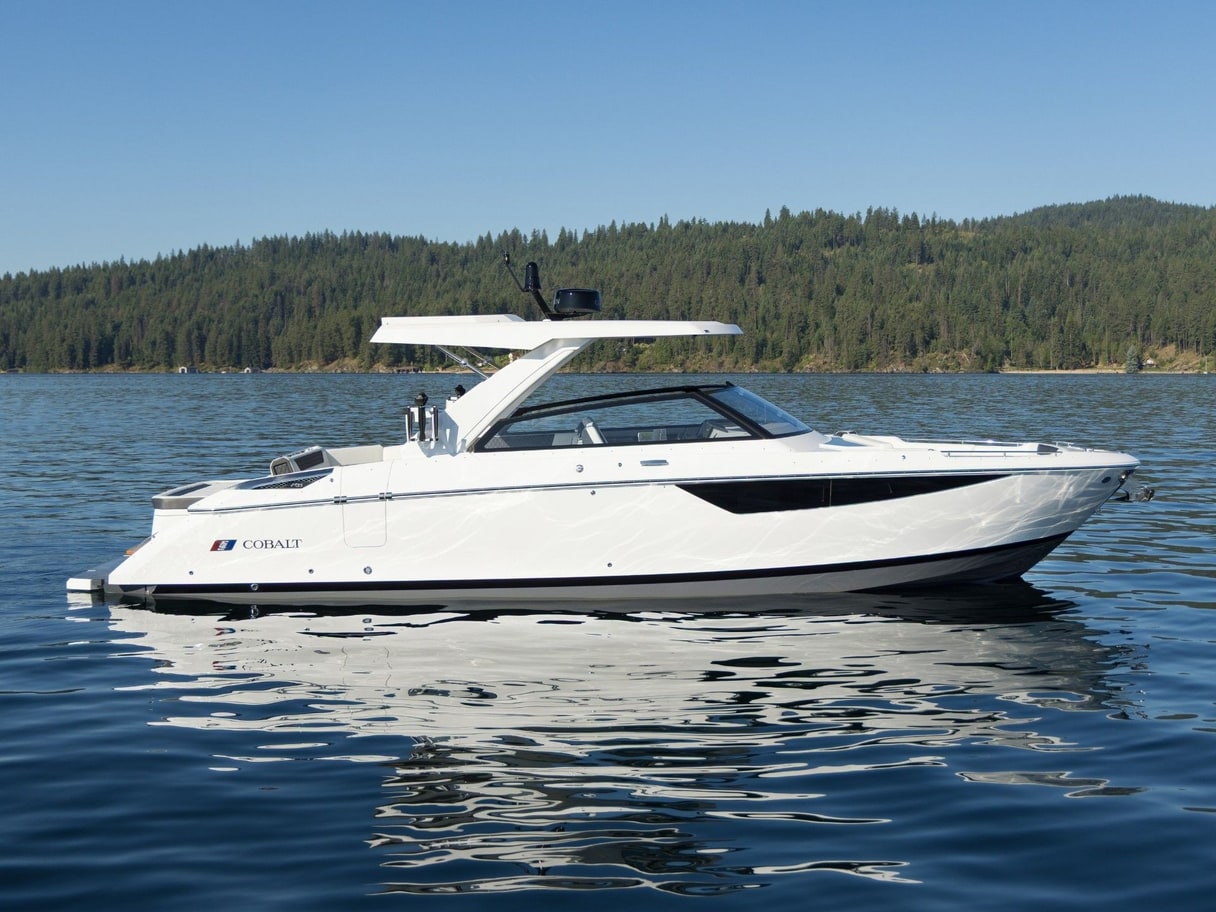
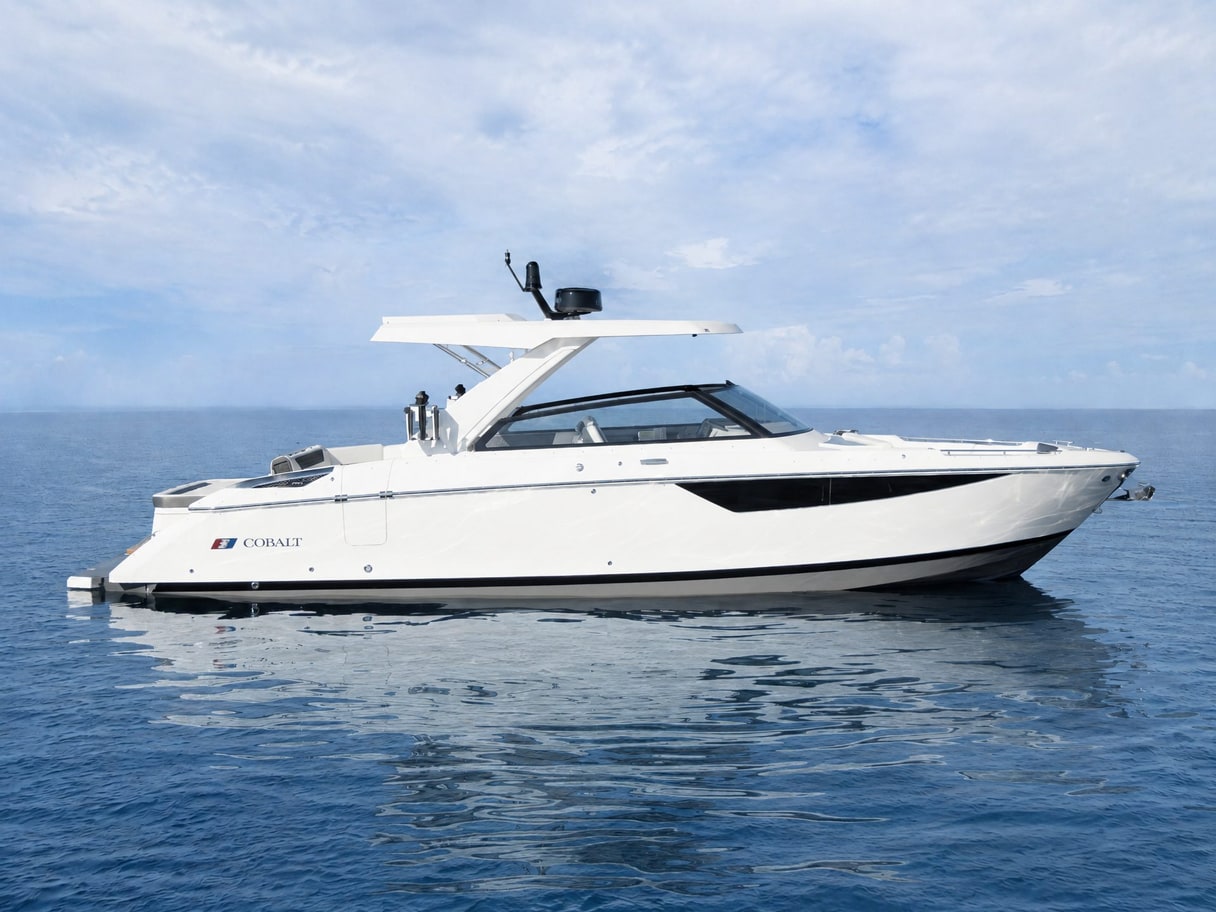
What a boat shopper scans for
A boat buyer is reading hull condition first — gelcoat gloss, hairline cracks, anything that suggests hard use. From there they’re looking at the engine or outboard, the electronics at the helm, the deck layout, and whether a trailer is included. The hull identification number gets more attention from a careful buyer than almost anything else on a car listing, because it’s how they verify the boat is what the listing says it is.
Because so much of a boat’s condition lives in the hull’s finish, harsh dock light or deep shadow under a boathouse roof flattens exactly the detail a buyer is trying to judge. Even, diffuse light does more for a boat listing than it does for almost any other kind of unit.
What Boat Trader, YachtWorld and boats.com actually require
Boat Trader, YachtWorld and boats.com are all owned by Boats Group and sync through one shared listing system, BoatWizard — so the rigorous published spec exists once, at the BoatWizard level, not three separate times. BoatWizard’s own help center recommends 2160×1440 pixels at a 3:2 aspect ratio, sets 1080×720 (also 3:2) as the minimum, and flags anything under 1000px on its long side as low quality outright. The same article caps each photo at 15MB and a listing’s combined photos at 50MB.
The primary image is simple to control: BoatWizard highlights Image #1 in orange as the one that shows in search results, and you reorder by drag-and-drop. Boat Trader’s own seller guidance keeps it plain: “We recommend 10-15 angles. Include varied images of the hull, cockpit, and engine bay.”
Here’s a conflict worth publishing rather than pretending to resolve: Boat Trader’s own site currently has two specs live at once. A legacy help article says to size images to “100KB or less” in JPEG only — guidance that reads like it predates digital cameras, right down to telling sellers to scan prints at a copy shop. Its own 2026 research guide, by contrast, recommends a 2–5MB target file size (“be careful to avoid exceeding 10MB”), a maximum width of 2500px, and a minimum of 72 DPI. Both pages are live on boattrader.com at the same time. Follow the 2026 guidance — the legacy page is stale — but don’t be surprised if you find both when you go looking.
The full shot list
This is the same required-angle order VehiclePhoto’s own capture flow asks for on a boat — not a separate list. Hull, bow and stern are the hero frames; helm, engine and the hull ID plate are close detail shots; deck and cockpit are the interior-forward shots that show buyers how the boat is actually laid out.
What goes wrong with boat photos, specifically
Shrink-wrap, hoses, jack stands and a packed storage yard behind the boat are the single biggest tell that a listing was shot wherever the boat happened to be sitting, not for the sale. Masts, rigging, outboards and open trailer frames also trip up generic cutout tools built for simple silhouettes — they clip the rigging or chew up the hull edge where it meets the open frame underneath.
The hull ID plate gets skipped more often than any other required shot, usually because it’s small and tucked out of the way. Buyers and marketplaces both use it to confirm the actual boat behind the listing, so a missing HIN photo reads as an incomplete listing even when everything else is well shot.
What VehiclePhoto does with this list
Upload what you’ve got and VehiclePhoto can put any boat on a clean ground or studio background, and a boat shot on the water on clean open water or onto keel stands, depending on the background you pick, with masts, rigging, outboards and the hull edge kept clean instead of chewed up the way generic apps leave them. Dock-light unevenness gets corrected across all photos so gelcoat and upholstery read true in every frame.
The full shot list
Every angle boat dealers buyers expect.
Hero shots
- Hull (port)Fill the frame
- Hull (starboard)Fill the frame
- BowFill the frame
- SternFill the frame
Detail shots
- Helm / controlsClose-up
- Engine / drivetrainClose-up
- HIN plateClose-up
Interior
- DeckWide interior shot
- CockpitWide interior shot
Sources
- BoatWizard — How to Upload a Photo or Video — “Recommended image size: 2160 x 1440 pixels (3:2 aspect ratio)”
- BoatWizard — How to Change the Main Photo — “The first image (Image #1) is highlighted in orange, indicating that it is the primary image”
- Boat Trader — Sell Your Boat — “We recommend 10-15 angles. Include varied images of the hull, cockpit, and engine bay.”
- Boat Trader — Selling With Photos and Video — “Target file size of 2MB to 5MB (be careful to avoid exceeding 10MB)”
- Boat Trader — legacy photo help (conflicts with the guide above) — “Size the image to 100KB or less”
- Boats Group — Advertising Policy — “Unauthorized use of images or text from another customer’s listing or website is prohibited”
Questions
Answered.
How many photos does a boat listing need?
Boat Trader’s own guidance is 10-15 angles, with varied shots of the hull, cockpit and engine bay — not just the four exterior sides.
What size photos does Boat Trader actually want?
BoatWizard recommends 2160×1440 with 1080×720 as the minimum, both at a 3:2 aspect ratio, and the same spec covers YachtWorld and boats.com. Anything under 1000px on the long side gets flagged as low quality.
Can a boat photo get a water background?
Yes, when the boat was photographed on the water: it gets a clean open-water background. A boat shot on a trailer or in the lot goes on a ground or studio background instead. If the outboard is tilted up in the photo, water isn’t offered. Because the scene behind the boat changes, check whether the marketplace you list on allows it.
Do I need to photograph the hull ID number?
Yes. It’s how buyers and marketplaces confirm the boat behind the listing is the boat you’re actually selling, and it’s one of the required close-up shots in the format.