The motorcycle and ATV photo checklist buyers actually use
Bikes, ATVs and UTVs turn over faster than most lots can shoot them, and open frames trip up generic photo tools. This is what Cycle Trader actually requires, what goes wrong specifically with open-frame units, and the same required-angle order that drives VehiclePhoto’s own powersports capture flow.
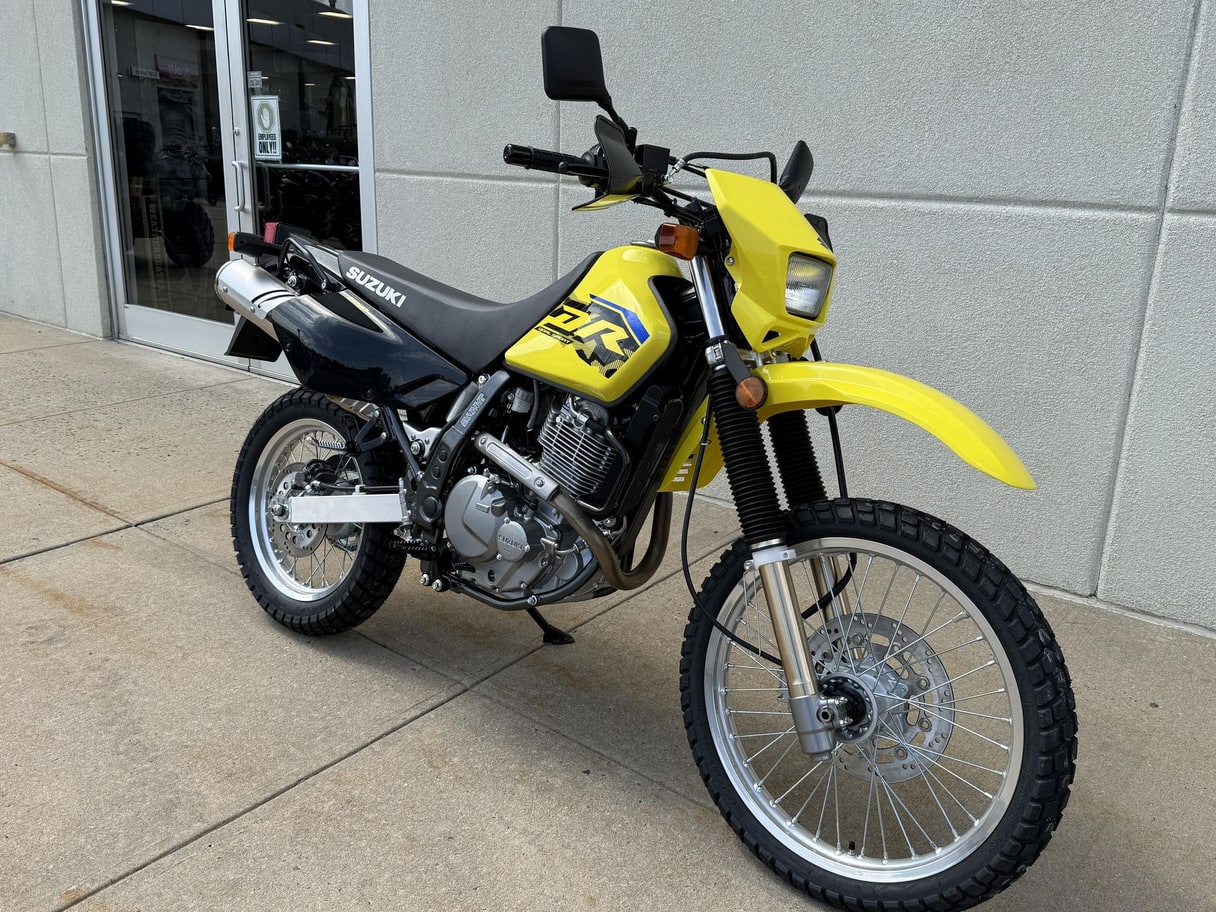
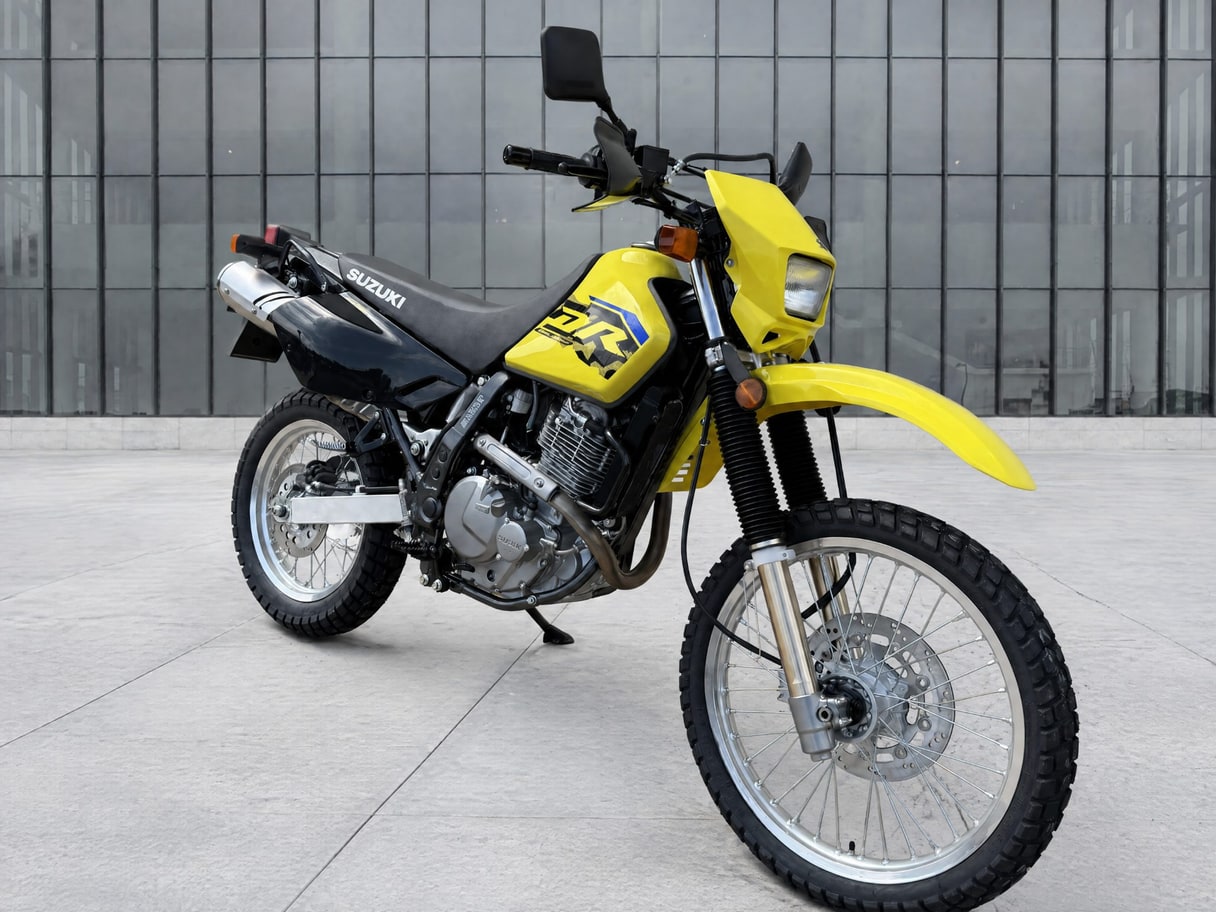
What a powersports shopper scans for
A bike or ATV buyer is checking the engine and drivetrain for leaks, corrosion and obvious wear; the tires for tread and age; the frame and forks for anything suggesting a drop or a crash; and the cockpit for mileage and any aftermarket parts or modifications. Because these are mechanically exposed machines — frames, forks, exhausts, chains all sitting in the open — buyers scrutinize the mechanical detail shots more closely than they would on a car with everything tucked under a hood.
What Cycle Trader actually requires
Cycle Trader’s listing packages run Basic (4 photos, 2 weeks), Enhanced (20 photos plus video), Best (50 photos plus video) and Ultimate (unlimited photos, plus 14 days of premium placement over a 6-month term). Its help center currently documents a legacy technical spec — JPEG or GIF format, 640×480 pixels or smaller, under 600KB — that reads like it predates the phone camera most sellers actually use today, so treat it as what Cycle Trader currently has published, dated, rather than a strict modern ceiling.
On authenticity, Cycle Trader is direct: “stay away from using stock photos – authenticity is key.” And its own first-party stat, from a 2021 blog post — “listings with pictures generate 1.3X higher search result impressions, 4.2X higher click-through rates, and 5.4X higher vehicle detail page-views than listings without photos” — is worth noting for a specific reason: it’s a different set of numbers than RV Trader’s claim on the exact same shared blog template. Different real numbers per brand, on a shared layout, is evidence these are genuine internal analytics rather than one marketing figure copied across every site the parent company runs.
What Cycle Trader doesn’t publish is worth saying plainly, too: no aspect ratio stated as a ratio, and no editing rule we can quote. It does keep a “what photo content is not allowed?” help article, so check that page before you retouch a listing photo.
The full shot list
This is the same required-angle order VehiclePhoto’s own capture flow asks for on a bike, ATV or UTV — front and rear three-quarter hero shots, both sides, and close detail on the engine and cockpit.
The same six positions apply whether the unit is a cruiser, a sportbike, a dirt bike, an ATV, a UTV or a snowmobile — the required angles don’t change by sub-type, only the framing judgment a shooter brings to an open-frame dirt bike versus a fully-faired sportbike does. A jet ski follows the boat shot list instead.
What goes wrong with powersports photos, specifically
Open frames, spokes, exhaust pipes and exposed chains are exactly the shapes that trip up cutout tools built for simple silhouettes — they either clip the spokes off entirely or fill the open gaps in solid, which looks obviously wrong on a wheel. Fast inventory turnover compounds the problem: a unit that lands today and sells in a week rarely gets a proper shoot before it’s already moved, so photos lag behind what’s actually on the floor.
Showroom-corner shots are the other recurring issue — mixed indoor lighting, other units crowding the frame, and a background that changes from unit to unit even within the same dealership. And the engine shot specifically gets skipped more than any other close-up, even though it’s exactly what a buyer wants to check for leaks, corrosion or aftermarket work.
What VehiclePhoto does with this list
VehiclePhoto’s cutouts are built for open frames specifically — spokes, racks and handlebars come out clean, with the gaps staying transparent instead of getting clipped or filled in the way generic apps do. Because it’s instant and self-serve, a unit that lands today can be listing-ready today, with one consistent look applied across motorcycles, ATVs and UTVs on the same lot.
The full shot list
Every angle powersports dealers buyers expect.
Hero shots
- Front 3/4Fill the frame
- Rear 3/4Fill the frame
Both sides
- Left sideFill the frame
- Right sideFill the frame
Detail shots
- Cockpit / controlsClose-up
- Engine / drivetrainClose-up
Sources
- Cycle Trader — Sell Motorcycles (package tiers)
- Cycle Trader — Photo Format Help — .jpg (JPEG) or .gif file format
- Cycle Trader — Photo Dimensions Help — “640x480 pixels or smaller”
- Cycle Trader — 8 Tips for Great Listing Photos (2021, first-party stat) — “stay away from using stock photos – authenticity is key.”
Questions
Answered.
How many photos does a motorcycle or ATV listing need?
Cycle Trader’s packages run from 4 photos (Basic) up to unlimited (Ultimate) — the tier structure itself suggests more coverage is genuinely valued. Aim for at least the six required angles plus close-ups of anything mechanically notable.
Will a normal background remover work on a motorcycle photo?
Not reliably. Open frames, spokes and exhaust pipes are exactly the shapes consumer cutout tools clip or fill in solid. VehiclePhoto’s cutouts are built for open-frame units specifically.
Do I need a dedicated engine shot?
Yes — it’s one of the two required close-ups in the format, alongside the cockpit/controls view that also shows the odometer, and it’s exactly what buyers check for leaks, corrosion or modifications.
What size and format does Cycle Trader currently ask for?
Its help center documents JPG or GIF files at 640×480 pixels or smaller and under 600KB — a spec that predates most modern phone cameras. Treat it as a floor, not a target.