The car photo checklist that actually sells the car
A car sells off its photos before a shopper ever calls or walks the lot. This is the shot list buyers scan first, the marketplace rules that govern what you can and can’t do to a photo, and the six required angles that drive VehiclePhoto’s own capture flow and background cleanup — not a rewritten version of it.
What a car shopper actually scans for
Before a shopper reads a single spec, they’re scrolling photos. They’re checking whether the paint matches across every angle, whether there’s visible damage or a panel that doesn’t line up, whether the interior looks cared for, and whether they can actually see the odometer or a clean dash shot. A gallery that jumps from a dark driveway shot to an overexposed lot shot reads as neglect, even when the car itself is fine.
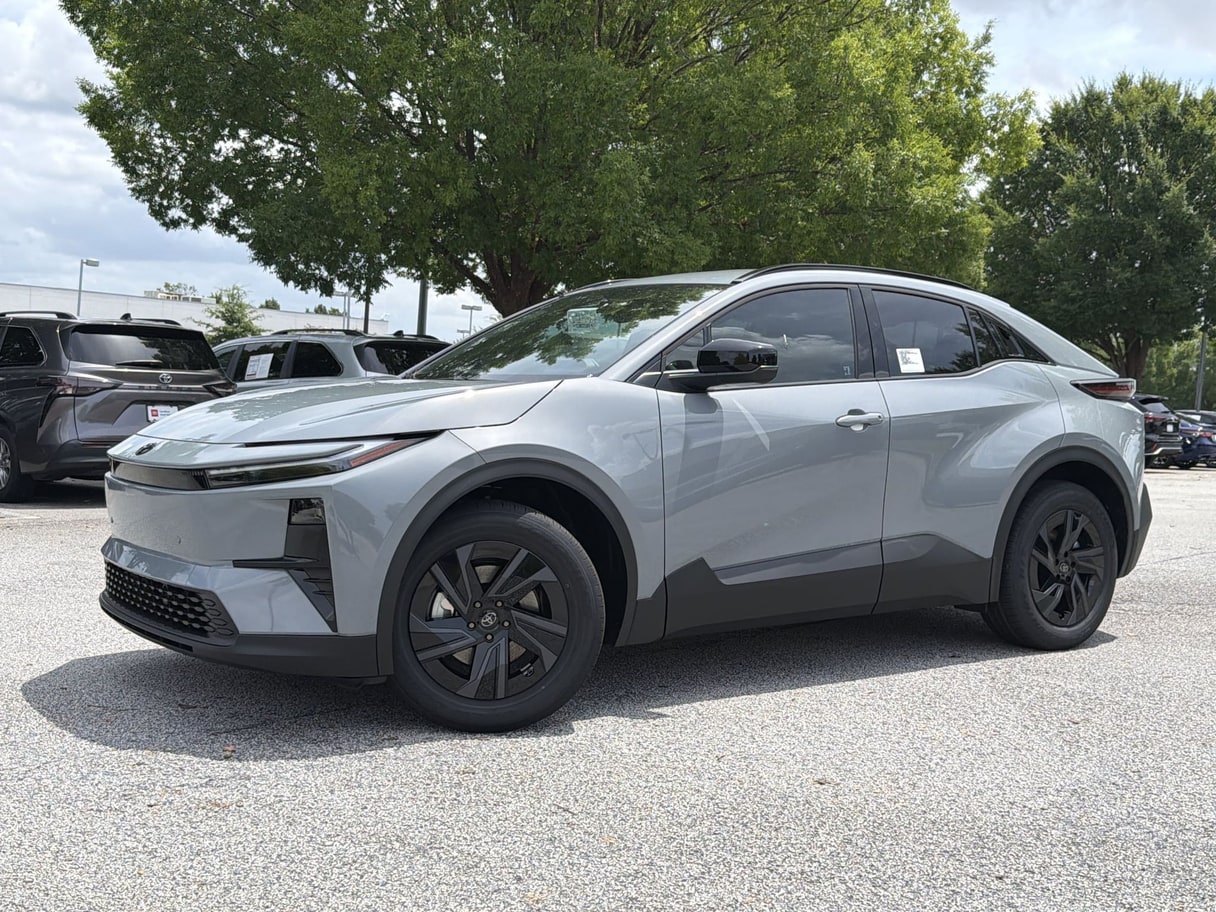
The first photo in a listing carries more weight than any other single image — it’s the thumbnail a shopper sees in search results before they ever click in. Cars.com’s own guidance is specific about this: “The first photo should always be a passenger-side three-point angle,” because that one frame has to show the whole car at once, not a tight crop.
What the marketplaces actually require
Photo requirements for car listings vary a lot between sites. Autotrader’s own dealer help pages, for instance, specify photos at 640×480 pixels or smaller and under 100KB — the opposite of the much larger “high-res” figures that circulate around the industry as if they were Autotrader’s policy.
eBay Motors publishes the richest spec of any marketplace we cover. Its photo tips recommend a minimum of 12 photos for a vehicle listing (“This is best done with a minimum of 12 photos”), with 500px as the technical floor on the longest side and 800–1,600px recommended. Its images policy adds a flat ban on watermarks and text overlays of any kind, “including those used for ownership attributions.”
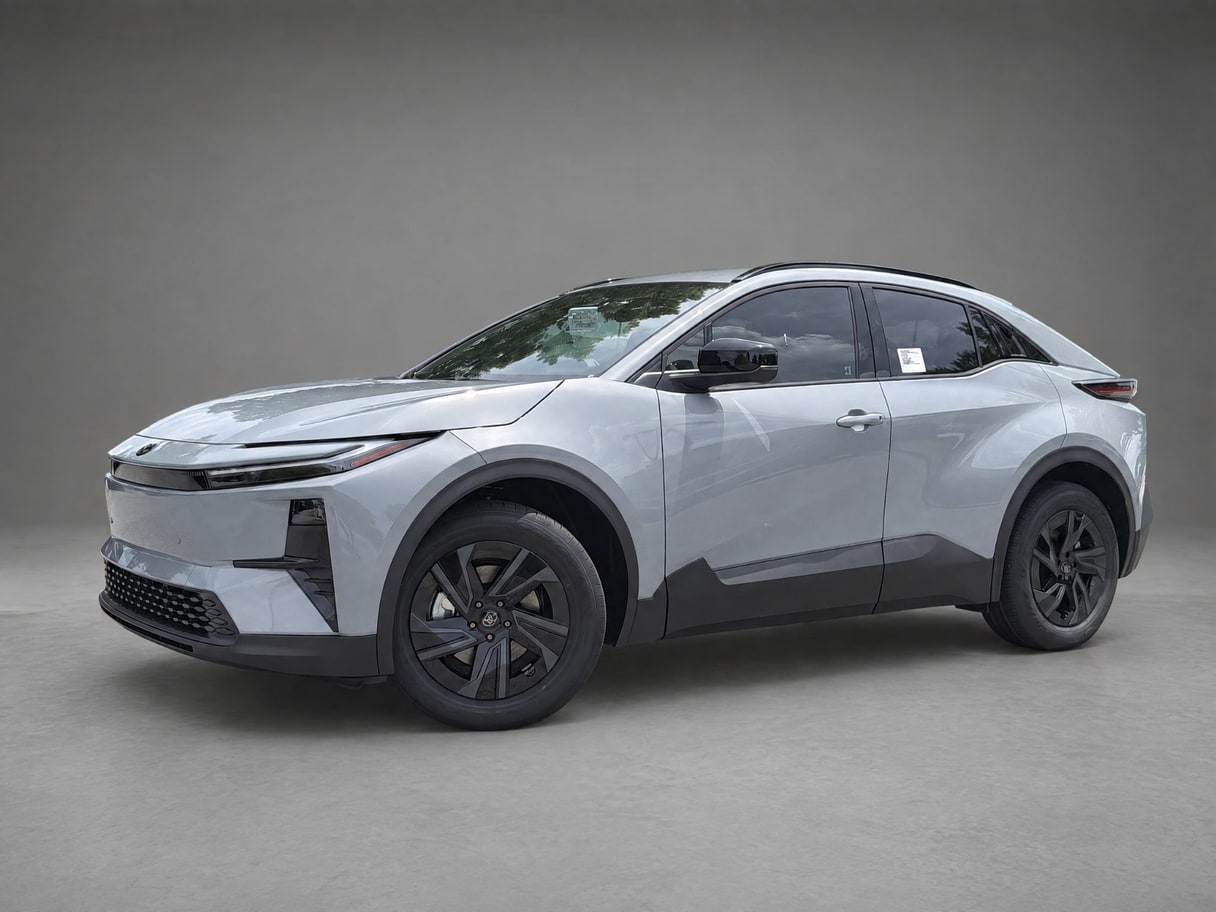
Cars.com asks, in its photo guide, for landscape orientation, a minimum of one photo (up to 30 for private sellers), and a shot list of eight exterior angles (front, both front offsets, both rear offsets, rear, both sides), three interior (dash, driver’s seat, backseat) and four close-ups (engine, tire, trunk, odometer). It’s not entirely clear from Cars.com’s own page whether that specific count and order is meant for dealer listings or private sellers only — treat the numbers as strong general guidance rather than a confirmed dealer policy. CarGurus recommends 20+ photos, shot “at eye level, centered within the frame, and have clean backgrounds with minimal distractions” — which is, almost word for word, the job a background cleanup does for you.
Autotrader’s own numbers on why photos matter are older but real: a 2011 Autotrader press release found that listings with actual photos and prices saw shopper visits to the vehicle page increase by roughly 140% and shopper interaction by roughly 110%, versus listings with no photo or only stock photos. It’s a dated finding — say so if you use it — but it’s Autotrader’s own reported number, not a rewritten one.
None of these numbers agree with each other, and that’s the actual takeaway: there is no single “correct” photo count for a car listing. Match whatever site you’re posting to, and default to more angles rather than fewer when a site doesn’t say.
The six shots the format is built around
This is the same required-angle list that drives VehiclePhoto’s own capture flow and missing-shot warnings — not a separate “best practices” list bolted on top. Cars.com’s shot list above maps onto these same six positions, with its close-ups (engine, tire, trunk, odometer) layered on top as detail shots most sites also want.
What goes wrong with car photos, specifically
The most common failure isn’t a bad photo — it’s an inconsistent listing. One car shot at noon in harsh sun, the next at dusk under sodium lot lights, a third with a different phone’s white balance entirely. Buyers read that inconsistency as corner-cutting, even when every car on the lot is fine.
Reflections are the second-biggest issue: glossy paint throws back the photographer, the dealership sign, or the car parked next to it. A three-quarter angle usually hides this better than a dead-on shot, which is part of why Cars.com specifies it as the primary image.
Plates, faces and window stickers with personal information showing up in shots is the privacy miss that’s easy to overlook until a customer or a marketplace flags it. It’s also one of the few things that’s simple to fix automatically across a whole gallery instead of frame by frame.
What VehiclePhoto does with this list
Upload the photos your team already takes and VehiclePhoto lines every car up to this same six-shot order, replaces the background with a clean sweep (or your own branded scene), color-corrects and straightens each frame, and blurs plates and faces automatically — so the whole lot looks like one studio shot it, without anyone re-shooting a single car.
The full shot list
Every angle car dealers buyers expect.
Required shots
- Front 3/4
- Driver Side
- Rear
- Passenger Side
- Interior Front
- Interior Rear
Sources
- Cars.com — Vehicle Listing Policy — “the media must accurately depict the vehicle the Dealer is selling”
- Cars.com — How to Create a Picture-Perfect Ad — “The first photo should always be a passenger-side three-point angle”
- eBay Motors — Photo Tips — “This is best done with a minimum of 12 photos.”
- eBay Motors — How to prepare photos — “This is best done with a minimum of 12 photos.”
- eBay — Images and Text Policy — “Watermarks of any type, including those used for ownership attributions are not allowed”
- Autotrader Dealers — Uploading Vehicle Photos — “Digital photos should be 640x480 pixels or smaller”
- CarGurus Dealers — Improved Photo Galleries — “Vehicle photos should be taken at eye level, centered within the frame, and have clean backgrounds with minimal distractions.”
- Autotrader Press — 2011 press release — “listings with only stock photos didn’t perform much better than listings with no photo at all”
Questions
Answered.
How many photos does a car listing actually need?
It depends where you’re posting. eBay Motors recommends a minimum of 12; Cars.com lets private sellers use up to 30; CarGurus recommends 20+ for the best lead conversion. There’s no single right number — more angles rarely hurts, and empty photo slots read as a listing nobody finished.
Which photo should be first?
Cars.com is explicit: “The first photo should always be a passenger-side three-point angle.” It’s the thumbnail shoppers see before they click into the listing, so it has to show the whole car in one frame, not a tight crop.
Can I use a stock photo instead of shooting the actual car?
Not for a used car. eBay Motors prohibits stock photos for used, damaged or defective items outright. The one carve-out any marketplace publishes is eBay’s rule for new vehicles — stock images are allowed there only with supplier permission and only if the listing discloses the photos aren’t of the actual vehicle.
Will cleaning up the background make my photos look fake?
Not if it’s the background doing the work, not the car. Clean lighting, a straight crop and a plain backdrop are what CarGurus itself asks sellers for. The car in the photo stays the actual car you’re selling — nothing about its condition changes.